Showing 1–15 of 118 results
Key properties & uses: Culinary – Flavoring, pickling, tenderizing meat, making vinaigrettes
Preservation – Low pH (around 2–3) inhibits bacterial growth
Cleaning – Cuts grease, removes odors, kills some bacteria
Health – Historically used as a folk remedy; modern research suggests modest effects on blood sugar control
Aloe vera juice is a low-calorie beverage made from the gel of the aloe plant.
🌿 Potential Health Benefits Drinking aloe vera juice may offer several advantages, primarily due to its antioxidant, anti-inflammatory, and mild laxative properties.
Baobab syrup is incredibly versatile. Here are some ideas to get you started:
🥞 Breakfast: Drizzle it over pancakes, waffles, or yogurt instead of maple syrup.
☕ Drinks: Stir it into tea, lemonade, or coffee for a tart sweetener. It is also fantastic in cocktails like a Baobab Sour (gin, rum, lemon) or a Baobab Retreat (gin, lemon, cucumber).
🍰 Desserts: Use it as a sweetener in cake batters to add moisture and tang, or swirl it into homemade vegan sorbets and ice cream.
🥗 Salads: Whisk it with lemon juice and mint for a zesty dressing on fruit salads
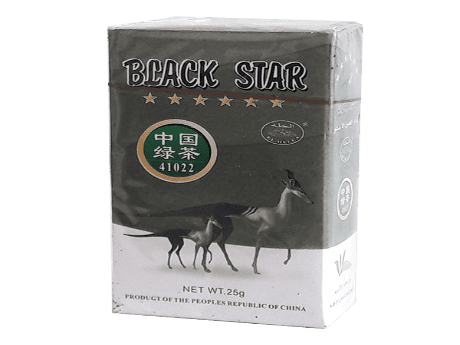
🥤 STAR Tea Classico (Italian Classic): A daily black tea from Italy’s first filter tea brand (since the 1960s). It’s a smooth, natural blend perfect for breakfast .
🇮🇳 Andrew Yule “Black Star” (Premium Indian): A rare, hand-rolled specialty tea from Darjeeling. It was previously sold at high prices (Rs 7,000/kg) to luxury stores like Harrods .
🎸 Fandom & Novelty Blends: Creative blends sold by specialty sites like Adagio Teas. These include an Soul Eater anime blend and a David Bowie Blackstar tribute tea (chocolate & cinnamon) .
🍊 White2Tea “Black Star” (Aged Pu’er): A ripe Pu’er tea stuffed inside an aged Xinhui mandarin peel (circa 2011), offering a woody, medicinal flavor .
🍫 How It Tastes and Is Used Bournvita is known for its sweet, malty chocolate flavor. Unlike plain cocoa powder, it has a unique taste due to the malted barley and wheat extract . People enjoy it because it makes milk taste better, encouraging kids (and adults) to drink milk .
How to prepare it: Mix 2 teaspoons of the powder into a glass of hot or cold milk, stir well, and serve
Here is a quick breakdown of what makes it unique:
🌶️ The Key Spice: It gets its flavor from Grains of Selim (also known as Guinea pepper or djar), often combined with cloves .
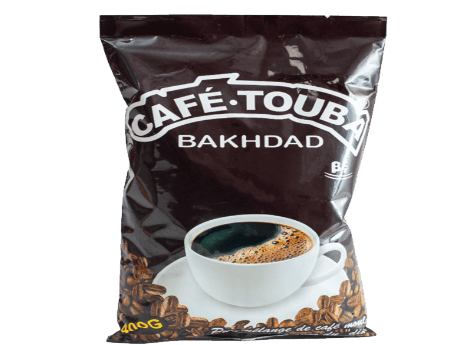
☕ The Taste: It is strong, intense, and spicy. It is almost always served very sweet, but traditionally without milk .
🕋 The Origins: It was introduced in 1902 by Sheikh Amadou Bamba, a spiritual leader who recommended it to his followers to help them stay awake during long night prayers .
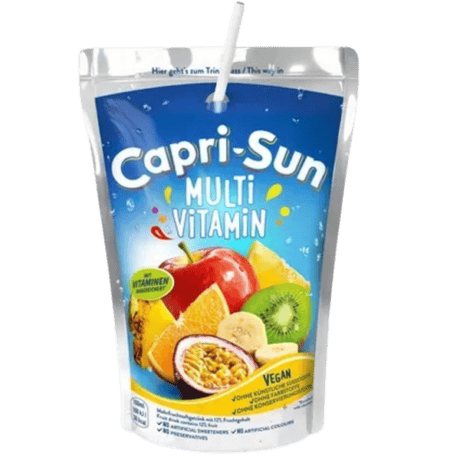
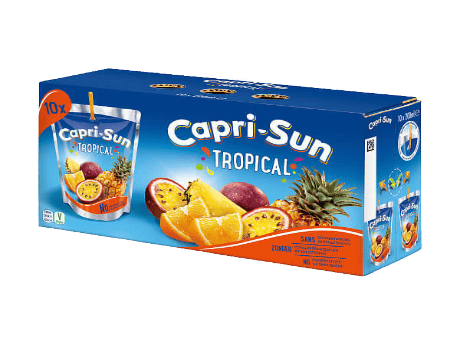
🍊 Flavors & Product Range While the brand has expanded tremendously, it all started with just two flavors.
The First Flavors: When it launched, the only options were Orange and Lemon .
Popular Varieties: Over the years, the lineup has grown to include dozens of options. Some of the most well-known flavors include:
Fruit Punch & Pacific Cooler .
Wild Cherry & Strawberry Kiwi .
Mountain Cooler (Apple & Raspberry) .
he taste of Coca‑Cola Classic has remained largely unchanged for over 130 years . The recipe is a closely guarded trade secret, known to only a few anonymous employees, but the ingredients listed on the can give us a clear picture .
Ingredient (as listed on a can) Its Role & Notes Carbonated Water The base of the drink, providing the signature fizz. Sugar The primary sweetener (in most of the world). In the US, this is often high-fructose corn syrup . Caramel Color (E150d) Gives the drink its distinctive dark brown color. Phosphoric Acid (E338) Provides a tangy, slightly sharp flavor that balances the sweetness. Natural Flavourings The “Secret Recipe” – a blend of essential oils and extracts. Experts believe it includes vanilla, cinnamon, citrus oils (orange, lemon, lime), and spices like nutmeg and coriander . Caffeine Adds a slight bitter note and the mild stimulant effect.
Types:
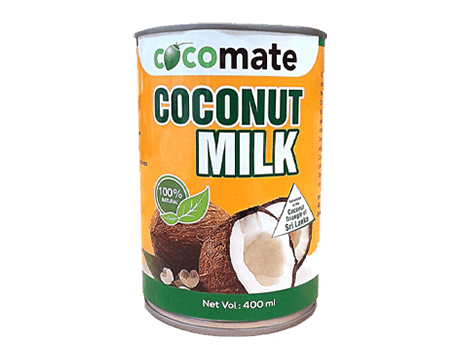
Full-fat coconut milk: Rich, thick, and high in fat (often canned). Ideal for curries, soups, and desserts.
Light coconut milk: Diluted with more water; lower in fat and calories. Good for lighter sauces and smoothies.
Coconut cream: Even thicker than full-fat milk, with less water; used in rich desserts or drinks like piña coladas.Common uses: Thai curries (green, red, massaman), coconut rice, soups (tom kha), stews, smoothies, baked goods, vegan whipped cream, and dairy-free coffee creamer.
Nutritional notes (per 1/4 cup full-fat canned): ~120–140 calories, 12g fat (mostly saturated), 2g carbs, 1g protein. Contains manganese, copper, iron, and selenium.
Cooking tip: Canned coconut milk separates naturally. Shake well or stir before using. For thicker consistency, refrigerate and scoop the cream off the top.
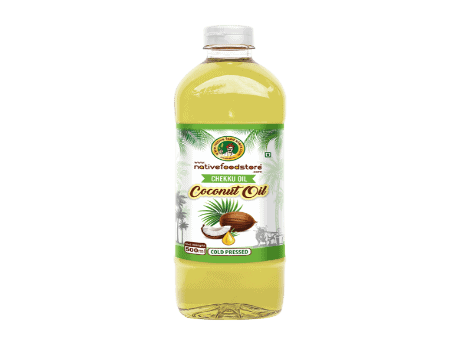
Types of Coconut Oil
Virgin (unrefined): Made from fresh coconut meat without high heat or chemicals. Retains a strong coconut aroma and flavor.
Refined: Made from dried copra, often bleached and deodorized. Has a neutral taste and higher smoke point, suitable for high-heat cooking.
Fractionated (MCT oil): Liquid at room temperature; contains only medium-chain triglycerides (mainly caprylic and capric acids).
Common Uses
Cooking: Virgin for baking, sautéing, or adding tropical flavor; refined for frying or stir-frying (smoke point ~400°F/204°C).
Skin care: Moisturizer, makeup remover, or lip balm (use sparingly on face to avoid clogging pores).
Hair care: Pre-wash treatment or conditioner for dry/damaged hair.
Health supplements: Often taken as MCT oil for potential energy and metabolic benefits.