There are no reviews yet.
Your email address will not be published. Required fields are marked *
Your review *
Name *
Email *
Save my name, email, and website in this browser for the next time I comment.
Flavor profile: Toasting intensifies the coconut’s natural sweetness and adds a warm, toasty, caramel-like note, similar to roasted nuts.
Common uses:
Topping for oatmeal, yogurt, smoothie bowls, or ice cream
Added to granola, trail mix, or energy bars
Coating for shrimp, chicken, or tofu (as a crust)
Stirred into curries, rice dishes, or salads for texture
Garnish for cakes, cupcakes, or tropical desserts
📝 Key Features and Usage Brand and Manufacturer: Adja (note the spelling “Adja”) by the PATISEN group. It is a popular brand in West and Central Africa, particularly in Senegal .
Product Type: A concentrated seasoning bouillon, often referred to as a “natural African bouillon” or spice mix. It is available in various forms, including cubes, sticks, powder sachets, and large bags .
Primary Function: Used to “sublimate” the taste of meat, fish, sauces, grilled dishes, and salads. It is a key ingredient in many traditional recipes .
Flavor Profile: It comes in different flavors. The main ones mentioned are spice flavor and tomato flavor. There are also specialized varieties, such as a saka saka (cassava leaf) flavor for specific dishes .
Common Dishes: It is ideal for preparing West African staples like Thiébou Diene (fish and rice) and Thiébou Yapp (meat and rice), as well as soups, stews, and cassava leaf dishes .
⚠️ Important Health Considerations Several articles and recipes point out that like many commercial bouillons, Adja contains monosodium glutamate (MSG) and a high amount of salt. There are public health discussions linking the overuse of such seasoning cubes to a rise in chronic diseases like hypertension and diabetes in regions where they are heavily used .
If you plan to cook with it, it is advisable to use it in moderation to manage your sodium and additive intake.
Common Ingredients Typical spices in Tea Masala include:
Cardamom (green) – dominant, sweet, floral
Cinnamon – warm, sweet
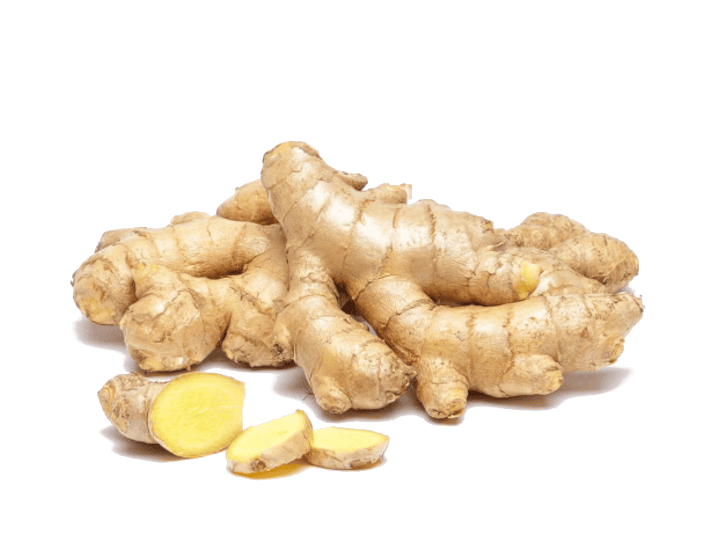
Ginger (dried or fresh) – pungent, zesty
Cloves – strong, numbing
Black peppercorns – spicy heat
Star anise or fennel seeds (optional) – licorice-like sweetness
Nutmeg or mace (small amount) – earthy, nutty
How to Use Per cup (250 ml): Use ¼ to ½ teaspoon of masala powder.
Add to water along with tea leaves (or tea bag) and sugar.
Bring to a boil, then add milk.
Simmer for 2–3 minutes, strain, and serve.




Reviews
There are no reviews yet.