120,00 kr
50 in stock
There are no reviews yet.
Your email address will not be published. Required fields are marked *
Your review *
Name *
Email *
Save my name, email, and website in this browser for the next time I comment.
Δ
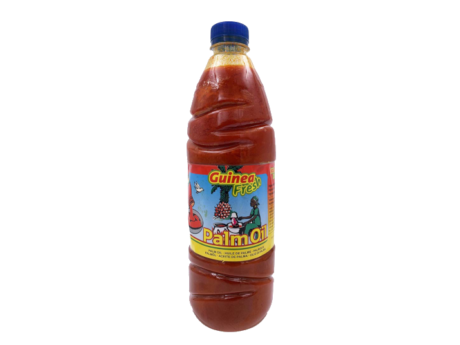
Here is the nutritional breakdown for one tablespoon (approximately 14g) of palm oil:
Nutrient Amount Key Health Takeaway Calories 120 kcal High energy density; portion control matters. Total Fat 14 g All calories come from fat, primarily a mix of saturated and unsaturated types. Saturated Fat 6.7 – 7 g (~50% of total fat). The main factor in debates about cholesterol and heart health. Monounsaturated Fat 5 g A heart-healthy fat also found in olive oil. Polyunsaturated Fat 1.5 g Includes essential fatty acids. Vitamin E 2.2 mg Provides 11% of the Daily Value (DV) in the form of unique tocotrienols. Vitamin K 1.1 mcg Important for blood clotting. Cholesterol 0 mg Like all vegetable oils, palm oil is naturally cholesterol-free.❤️ Health Considerations The health effects of palm oil depend largely on the overall diet and the type of palm oil consumed.
Heart Health and Cholesterol: This is the primary area of debate.
The Risk: A 2021 review noted that excessive intake of palmitic acid can raise LDL cholesterol levels compared to unsaturated oils like olive or canola oil.
The Nuance: Other studies and a 2020 review argue that Red Palm Oil specifically does not increase the risk of cardiovascular disease. The presence of plant sterols and tocotrienols may actually help lower cholesterol and reduce arterial plaque.
Blood Sugar: Palm oil does not contain carbohydrates, so it does not directly spike blood sugar. However, diets high in saturated fat may contribute to insulin resistance over time, which is a risk factor for Type 2 diabetes.
Chronic Disease Prevention: The antioxidant properties of palm oil (tocotrienols and carotenoids) play a role in reducing oxidative stress, which is linked to the prevention of certain cancers, diabetes, and obesity.





Reviews
There are no reviews yet.