There are no reviews yet.
Your email address will not be published. Required fields are marked *
Your review *
Name *
Email *
Save my name, email, and website in this browser for the next time I comment.
🥥 What Exactly Is It? There are two main ways “roasted coconut juice” is made, which leads to two distinct products:
The Traditional Method (From a Young Coconut): This involves taking a whole young green coconut (with the husk still on) and placing it directly in hot coals or over an open flame. You turn it until the outer shell is completely blackened. Inside, the heat warms the natural juice and infuses it with a smoky, rich flavor. You then crack it open and drink it warm, often right from the coconut .
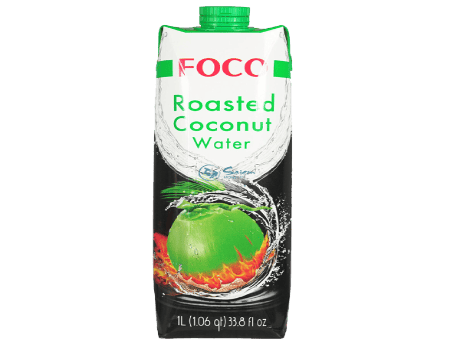
The Commercial Method (Bottled/Canned): This is the version you’ll most often find in stores, with Foco being one of the most common brands . Instead of roasting the whole coconut, manufacturers take the water from mature coconuts and roast it to enhance its flavor, which also gives it a distinctive light brown color . It’s often mixed with sugar, coconut pulp, and preservatives to create a shelf-stable drink .
⚖️ What’s in the Bottle? (Nutrition & Ingredients) If you pick up a commercial version like the popular Foco brand, here’s what you can expect per serving (about 1 cup or 240ml) :
Calories: ~101 kcal
Total Carbohydrate: 23g
Total Sugars: 21g
Sodium: 110mg
Key properties & uses: Culinary – Flavoring, pickling, tenderizing meat, making vinaigrettes
Preservation – Low pH (around 2–3) inhibits bacterial growth
Cleaning – Cuts grease, removes odors, kills some bacteria
Health – Historically used as a folk remedy; modern research suggests modest effects on blood sugar control





Reviews
There are no reviews yet.